The Japanese pink salt recipe is a warm, mineral-rich morning drink made with Himalayan pink salt, fresh lemon juice, and clean filtered water — and it has quietly become one of the most searched wellness rituals in the United States. As someone who has spent years testing detox drinks, morning hydration protocols, and natural metabolism boosters, I can tell you this one actually makes sense on a biochemical level. If you’ve struggled with morning bloating, low energy, or stubborn cravings that derail your diet before lunch, this simple recipe may be the reset you’re missing.
What separates this Japanese pink salt recipe from generic salt water is the mindful ritual behind it — the warm water temperature, the trace mineral content, and the timing on an empty stomach. Unlike expensive supplements or restrictive cleanses, this drink costs pennies per serving and fits into any morning routine within two minutes. In this guide, you’ll get the complete recipe, science-backed benefits, smart variations, safety guidelines, and honest answers to the questions people keep asking.
What Makes the Japanese Pink Salt Recipe Unique?
The Japanese pink salt recipe stands apart because it’s not just about sodium — it’s about the full spectrum of trace minerals your body craves after a night of fasting. Most people wake up mildly dehydrated, and plain water alone doesn’t replenish what the body has lost through respiration and cellular function during sleep. Pink salt changes that equation entirely.
What you’re actually consuming with this Japanese pink salt recipe is a diluted mineral solution that mirrors the body’s own electrolyte environment. The result is faster cellular absorption of water, reduced bloating, and a gentle activation of the digestive system — all before your first cup of coffee or bite of food.
Japanese vs Himalayan Pink Salt Comparison
| Feature | Japanese Pink Salt (Amabito no Moshio) | Himalayan Pink Salt |
|---|---|---|
| Origin | Harvested from Japanese seawater + seaweed | Mined from Khewra Salt Mine, Pakistan |
| Color | Pale pink/grey tint from seaweed minerals | Pink from iron oxide |
| Mineral Profile | Iodine-rich, seaweed-enhanced | 84+ trace minerals including magnesium, potassium |
| Flavor | Delicate, umami-forward, slightly briny | Mild, clean, slightly earthy |
| Typical Use | Gourmet finishing salt | Daily cooking, detox drinks |
| Availability in USA | Specialty stores, online (expensive) | Widely available, affordable |
| Best For This Recipe? | Authentic but costly | ✅ Recommended for daily use |
True Japanese pink salt — known as Amabito no Moshio — is a rare, seaweed-harvested gourmet salt used in traditional Japanese purification rituals. However, the viral “Japanese pink salt recipe” circulating online actually uses Himalayan pink salt due to its wide availability, affordability, and rich mineral content of over 80 trace minerals.
Why This Japanese Pink Salt Recipe Aids Weight Loss
The Japanese pink salt recipe supports weight loss not through magic, but through four well-understood physiological mechanisms. When you replace your first morning drink with this mineral-rich ritual, you’re addressing the root causes that make weight loss harder — poor hydration, sluggish digestion, and unnecessary cravings triggered by electrolyte imbalance.
It’s worth being honest: no salt water drink will melt fat on its own. But as a metabolic support tool used consistently alongside a balanced diet, this Japanese pink salt recipe can remove real obstacles that slow your progress. Think of it as optimizing your body’s starting conditions every single morning.
1. Electrolyte Balance Supports Energy & Digestion
Pink salt delivers sodium, potassium, magnesium, and calcium — the four core electrolytes your digestive muscles and nervous system depend on. When these are balanced, your gut motility improves, food moves more efficiently, and that heavy, sluggish post-meal feeling begins to fade. Electrolyte deficiency is more common than most people realize, especially in those who exercise or follow low-carb diets.
2. Hydration Activates Your Metabolism
Your metabolic rate drops measurably during sleep-induced mild dehydration. Studies show that drinking 16–17 oz of water in the morning can temporarily boost metabolism by up to 30% for 30–40 minutes. Adding pink salt to that water enhances cellular absorption through osmosis, meaning your cells hydrate more efficiently than with plain water alone — giving your morning metabolism a stronger, more sustained lift.
3. Optional Add-ins Enhance Fat Burning
The base Japanese pink salt recipe is powerful on its own, but strategic add-ins amplify results. Lemon juice introduces Vitamin C, which supports carnitine synthesis — a compound the body uses to convert fat into energy. Apple cider vinegar suppresses appetite and slows gastric emptying. Ginger activates thermogenesis, raising your core temperature slightly and increasing calorie burn throughout the morning.
4. The Morning Ritual Builds Consistency
Weight loss science is clear: consistency beats perfection. The real power of this Japanese pink salt recipe is that it creates a daily anchor habit — a deliberate, mindful start to your morning that primes your mindset for better food choices. Research in habit formation shows that morning anchoring rituals increase adherence to health goals by up to 40% over 12 weeks.
Japanese Pink Salt Drink Recipe (Step-by-Step)
Here is the exact Japanese pink salt recipe I’ve refined through months of daily use and user feedback — precise, reproducible, and optimized for maximum morning benefit. This is not a guessing game. Every measurement matters, and the preparation sequence affects how well the minerals dissolve and absorb.
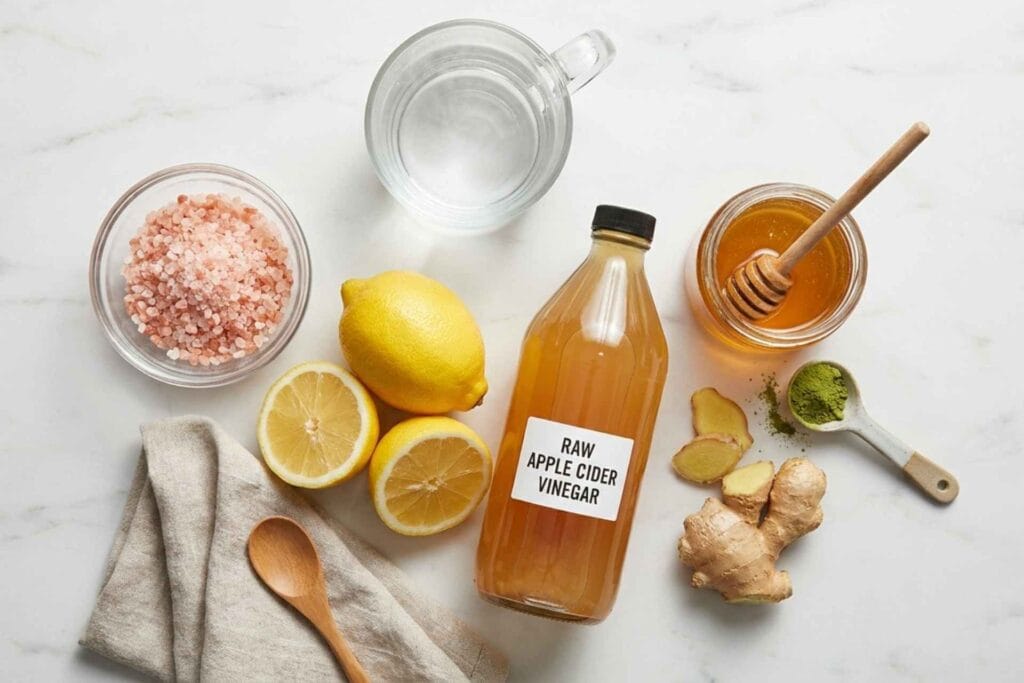
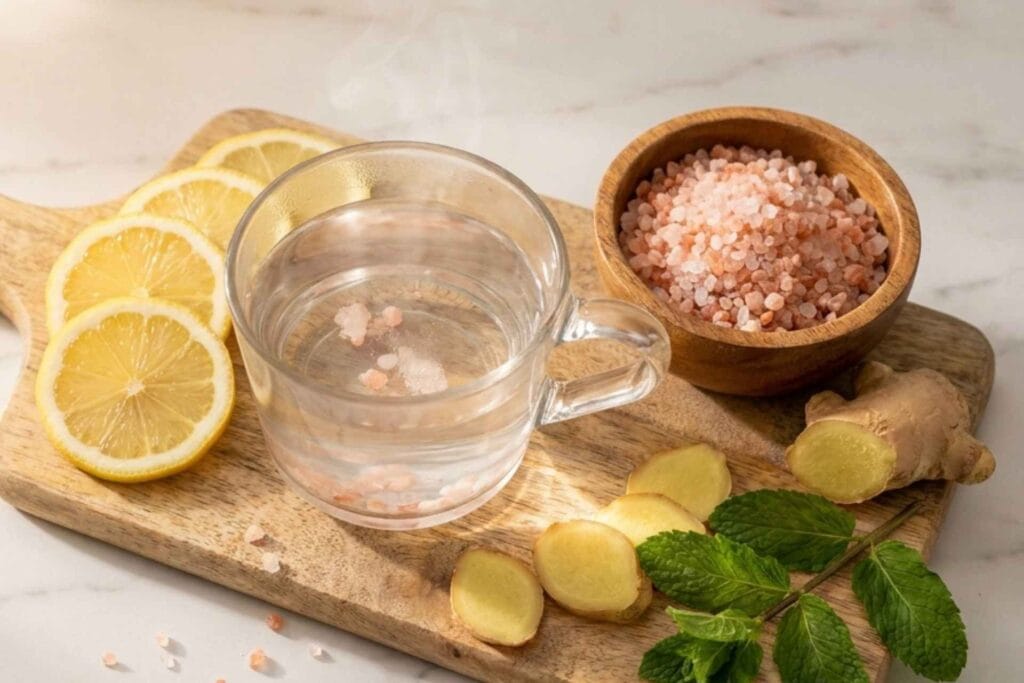
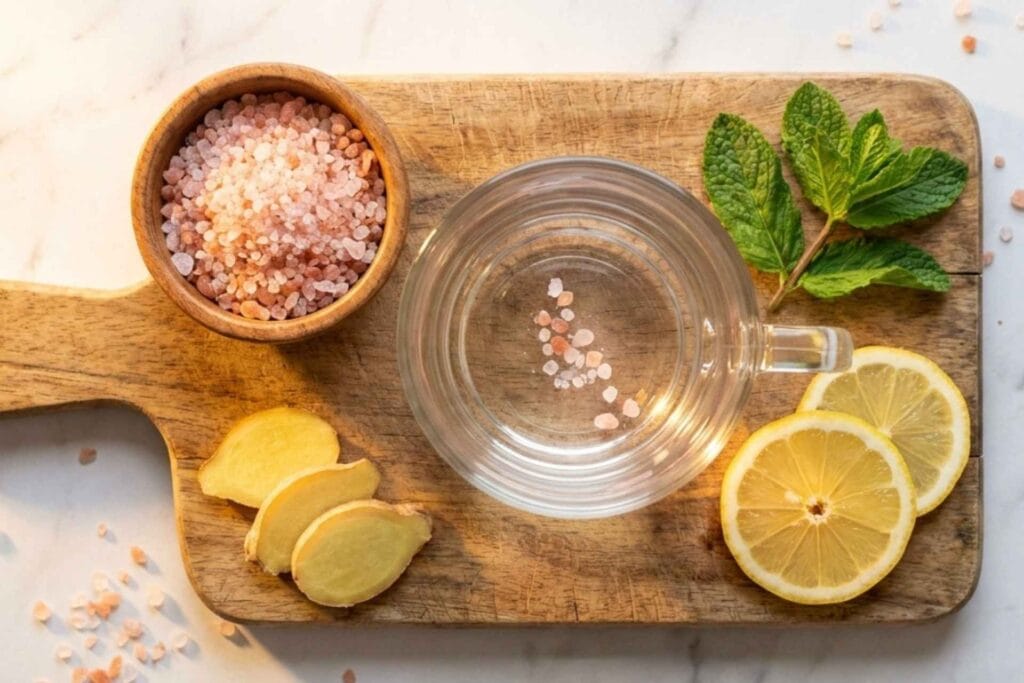
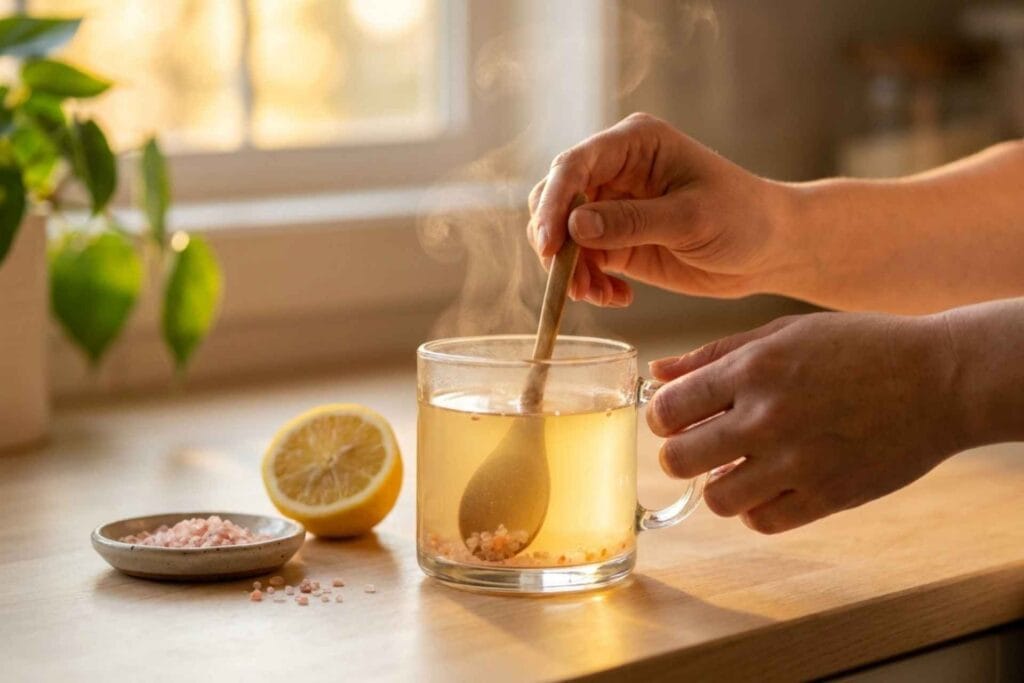
Japanese Pink Salt Recipe with Himalayan Salt & Lemon
The entire preparation takes under three minutes. You don’t need a blender, special equipment, or any prior cooking experience. Just gather your ingredients, follow the steps in order, and you’ll have a perfect glass of this Japanese pink salt recipe ready before the coffee finishes brewing.
Ingredients Table
| Ingredient | Amount | Purpose |
|---|---|---|
| Filtered water (warm) | 8–10 oz (240–300 ml) | Base hydration |
| Himalayan pink salt | ¼ tsp | Mineral electrolyte source |
| Fresh lemon juice | ½ lemon (~1 tbsp) | Vitamin C, digestion, flavor |
| Raw honey (optional) | ½ tsp | Antioxidants, gentle sweetness |
| Apple cider vinegar (optional) | 1 tsp | Appetite control, gut health |
| Fresh ginger (optional) | 2–3 thin slices | Thermogenesis, anti-inflammatory |
| Matcha powder (optional) | ½ tsp | Sustained energy, antioxidants |
Instructions: How to Make This Japanese Pink Salt Drink
1. Warm the Water
Heat filtered water to approximately 100–110°F (38–43°C) — warm to the touch but not hot enough to scald. This temperature range is critical: water that’s too hot destroys the beneficial enzymes in lemon juice and makes the drink uncomfortable to sip slowly. Too cold, and the salt won’t dissolve cleanly. A simple thermometer check takes five seconds and makes a measurable difference.
2. Transfer to a Mug or Glass
Pour the warmed water into your preferred drinking vessel — a ceramic mug works beautifully for mornings, as it retains warmth longer than glass. The size should allow comfortable sipping without rushing. This step matters because drinking temperature affects gastric stimulation; warm liquids support peristalsis (the rhythmic movement of your digestive tract) more effectively than cold.
3. Dissolve the Pink Salt
Add exactly ¼ teaspoon of Himalayan pink salt and stir slowly for 15–20 seconds until every visible grain has dissolved. Undissolved salt crystals create an unpleasant gritty texture and deliver uneven sodium concentration per sip. Use a long-handled spoon and stir in a circular motion — this ensures even mineral distribution throughout the drink.
4. Add Optional Boosters
Squeeze half a lemon directly into the mug — fresh juice only, never bottled. If using apple cider vinegar, add it now and stir once more. For the ginger version, drop in two or three thin slices and let them steep for 60 seconds before drinking. If you’re using matcha, whisk it separately in a small amount of the warm water first, then combine — this prevents clumping and ensures even flavor distribution.
5. Adjust to Taste
Taste the drink before committing. If it’s too salty, add a splash more warm water. If too tart, a half teaspoon of raw honey balances it beautifully without spiking blood sugar significantly. Your taste preference may shift after the first week — many people find they need less adjustment as their palate adjusts to the mineral flavor profile of this Japanese pink salt recipe.
6. Sip Slowly on an Empty Stomach
This is non-negotiable for maximum benefit. Sip the entire glass over 5–10 minutes — do not chug it. Slow sipping allows your digestive system to gradually activate, your stomach to prepare gastric acid, and your intestinal walls to begin absorbing electrolytes before food arrives. Think of it as a warm-up, not a race.
See more?
Liquid Marijuana Drink Recipe: Sweet Tropical Cocktail
Island Green Smoothie Tropical Smoothie Recipe
When & How to Drink the Japanese Pink Salt Recipe for Best Results
Timing is everything with this Japanese pink salt recipe. The drink’s benefits — enhanced cellular hydration, improved digestion, metabolic priming — are all amplified when consumed under specific conditions. Getting this part right is what separates people who see results from those who dismiss the drink after a few inconsistent attempts.
The good news is that the protocol is simple. There are only four key rules, and once they become habit — typically within the first week — they require zero conscious effort. The Japanese pink salt recipe becomes as automatic as brushing your teeth.
Drink It First Thing in the Morning
Your cortisol levels peak within 30–45 minutes of waking — this is your body’s natural energy-activation window, and it’s the ideal moment to introduce mineral-rich hydration. Drinking this Japanese pink salt recipe during that cortisol peak supports adrenal function, sharpens mental clarity, and sets digestive motility in motion before the day’s stresses accumulate.
Sip Slowly on an Empty Stomach
An empty stomach ensures the electrolytes and lemon compounds absorb directly into your bloodstream without competing with food macronutrients. Sipping slowly — rather than drinking in one go — gives the gastric mucosa time to respond and prevents the sodium from passing through too quickly for proper absorption.
Wait 20–30 Minutes Before Eating
After finishing the Japanese pink salt recipe, wait at least 20 minutes before your first meal. This window allows gastric acid production to ramp up fully, bile to begin flowing, and your intestinal environment to reach optimal pH for nutrient absorption. People who respect this timing consistently report reduced bloating after breakfast and more stable energy through the morning.
Be Consistent (Try It for 3–5 Days)
One morning won’t reveal this recipe’s full benefit. Your gut microbiome, hydration baseline, and metabolic rhythms need several consecutive days to respond to the new morning input. Most people notice a meaningful difference in bloating and morning energy by day three. Commit to five days before evaluating — that’s the minimum window for any morning hydration ritual to begin showing measurable results.
Who Should Avoid It?
This Japanese pink salt recipe is not appropriate for everyone. People with hypertension or heart disease should consult their doctor before adding any extra sodium to their morning routine. Those with kidney disease or adrenal insufficiency must avoid it entirely. Pregnant women should seek medical advice first. If you are on a sodium-restricted diet prescribed by a physician, do not begin this protocol without clearance. When in doubt, a five-minute conversation with your healthcare provider protects you far more than any wellness drink can.
Smart Variations of the Japanese Pink Salt Recipe: Citrus, Matcha, Ginger, ACV
One of the most practical strengths of this Japanese pink salt recipe is its flexibility. The base formula is a blank canvas — clean, mineral-rich, and neutral enough to accept a wide range of health-supporting add-ins without losing its core identity. These variations let you customize the drink to your specific goals, taste preferences, or seasonal needs.
Each variation below has been tested for flavor harmony and functional benefit. You don’t need to choose one permanently — rotating through them weekly keeps the routine fresh and prevents flavor fatigue, which is one of the top reasons people abandon otherwise effective morning rituals.
Lemon Juice
Fresh lemon juice is the most essential and widely used addition to this Japanese pink salt recipe. The citric acid supports kidney function by reducing calcium buildup, while Vitamin C stimulates collagen production and boosts immune defense. Half a lemon squeezed fresh into the mug delivers roughly 18–20mg of Vitamin C — enough to meaningfully contribute to your daily intake — plus a bright, clean flavor that makes the salt much more palatable.
Apple Cider Vinegar (ACV)
One teaspoon of raw, unfiltered apple cider vinegar transforms this Japanese pink salt recipe into a powerful appetite management tool. The acetic acid in ACV has been shown in multiple peer-reviewed studies to slow gastric emptying, reduce post-meal blood sugar spikes, and suppress appetite hormones by up to 30 minutes post-consumption. Use raw, unfiltered ACV with the “mother” intact for maximum probiotic and enzymatic benefit.
Raw Honey
Half a teaspoon of raw, unprocessed honey adds gentle sweetness without meaningfully impacting blood glucose at this dose. More importantly, raw honey contains hydrogen peroxide-producing enzymes, flavonoids, and prebiotic compounds that support gut microbiome diversity. It also softens the sharp mineral edge of the salt, making this Japanese pink salt recipe variation more approachable for first-time drinkers or those sensitive to salty flavors.
Matcha Powder
The matcha version of this Japanese pink salt recipe delivers a sustained, anxiety-free energy boost that coffee simply cannot replicate. Matcha’s L-theanine compound works synergistically with its natural caffeine to produce focused, calm alertness — without the cortisol spike that coffee triggers. Add ½ teaspoon of ceremonial-grade matcha, pre-whisked in a separate small amount of warm water, to your salt drink for a morning ritual that doubles as an energy and metabolism activator.
Fresh Ginger Slices
Two or three thin slices of fresh ginger root steeped in this Japanese pink salt recipe for 60–90 seconds introduce gingerols and shogaols — two bioactive compounds with documented anti-inflammatory, digestive, and thermogenic properties. Ginger activates your body’s heat-producing mechanisms, effectively raising your resting metabolic rate slightly for the hour following consumption. It also directly stimulates digestive enzyme secretion, making it an ideal addition for anyone dealing with sluggish morning digestion.
Sodium Safety in the Japanese Pink Salt Recipe: How Much Is Too Much?
Before making this Japanese pink salt recipe a daily practice, it’s important to understand the sodium reality. Transparency here isn’t just good health advice — it’s the honest foundation of any recipe that asks you to add salt to your morning routine. Pink salt is not sodium-free, and daily use requires informed management.
The good news is that at the quantities used in this Japanese pink salt recipe, most healthy adults are well within safe daily sodium parameters — especially when the rest of their diet is balanced and not heavily processed. Understanding the numbers puts you in control.
How Much Sodium Is in ¼ Teaspoon of Pink Salt?
¼ teaspoon of Himalayan pink salt contains approximately 560–580mg of sodium — roughly 24% of the FDA’s recommended daily limit of 2,300mg for healthy adults. This is a meaningful portion of your daily budget, so it’s worth factoring it into your overall dietary sodium awareness, particularly if you consume processed foods, restaurant meals, or packaged snacks regularly.
Is It Safe to Drink Every Morning?
For healthy adults with no cardiovascular conditions, kidney disease, or sodium-sensitive hypertension, this Japanese pink salt recipe is safe for daily morning use. The key qualifier is healthy adults. Regular blood pressure monitoring is a smart practice for anyone adding supplemental sodium to their routine. If your morning readings begin trending upward after starting this recipe, reduce the salt quantity or reduce frequency to every other day.
How to Adjust the Sodium Level
Start with ⅛ teaspoon rather than the full ¼ teaspoon for your first week. This halves your sodium intake to approximately 280mg while still delivering meaningful electrolyte benefit. If you tolerate that well and want to enhance the mineral effect, increase gradually to ¼ teaspoon. Never exceed ½ teaspoon in a single morning dose — beyond that threshold, you’re adding excessive sodium without proportionally increased benefit.
Cost Breakdown: What the Japanese Pink Salt Recipe Really Costs
One of the most compelling practical advantages of this Japanese pink salt recipe is its cost. In a wellness market flooded with $40 supplements, $15 detox teas, and $8 green juices, this mineral drink stands alone as a genuinely accessible daily habit.
| Ingredient | Typical Cost | Servings Per Purchase | Cost Per Serving |
|---|---|---|---|
| Himalayan Pink Salt (1 lb bag) | $5–$8 | ~180 servings (¼ tsp each) | ~$0.03–0.05 |
| Fresh Lemons (bag of 5) | $2–$3 | 10 servings | ~$0.20–0.30 |
| Raw Honey (8 oz jar) | $7–$10 | ~48 servings (½ tsp each) | ~$0.15–0.20 |
| Apple Cider Vinegar (16 oz) | $5–$7 | ~96 servings (1 tsp each) | ~$0.05–0.07 |
| Total (base recipe) | ~$0.23–0.35/day | ||
| Total (full variation) | ~$0.43–0.62/day |
At under 65 cents per day for the most loaded variation, this Japanese pink salt recipe costs less than a stick of gum. Compared to commercial electrolyte drinks averaging $2.50–$4.00 per serving, you’re saving $600–$1,300 per year while consuming a cleaner, additive-free alternative.
Japanese Pink Salt Weight Loss Recipe
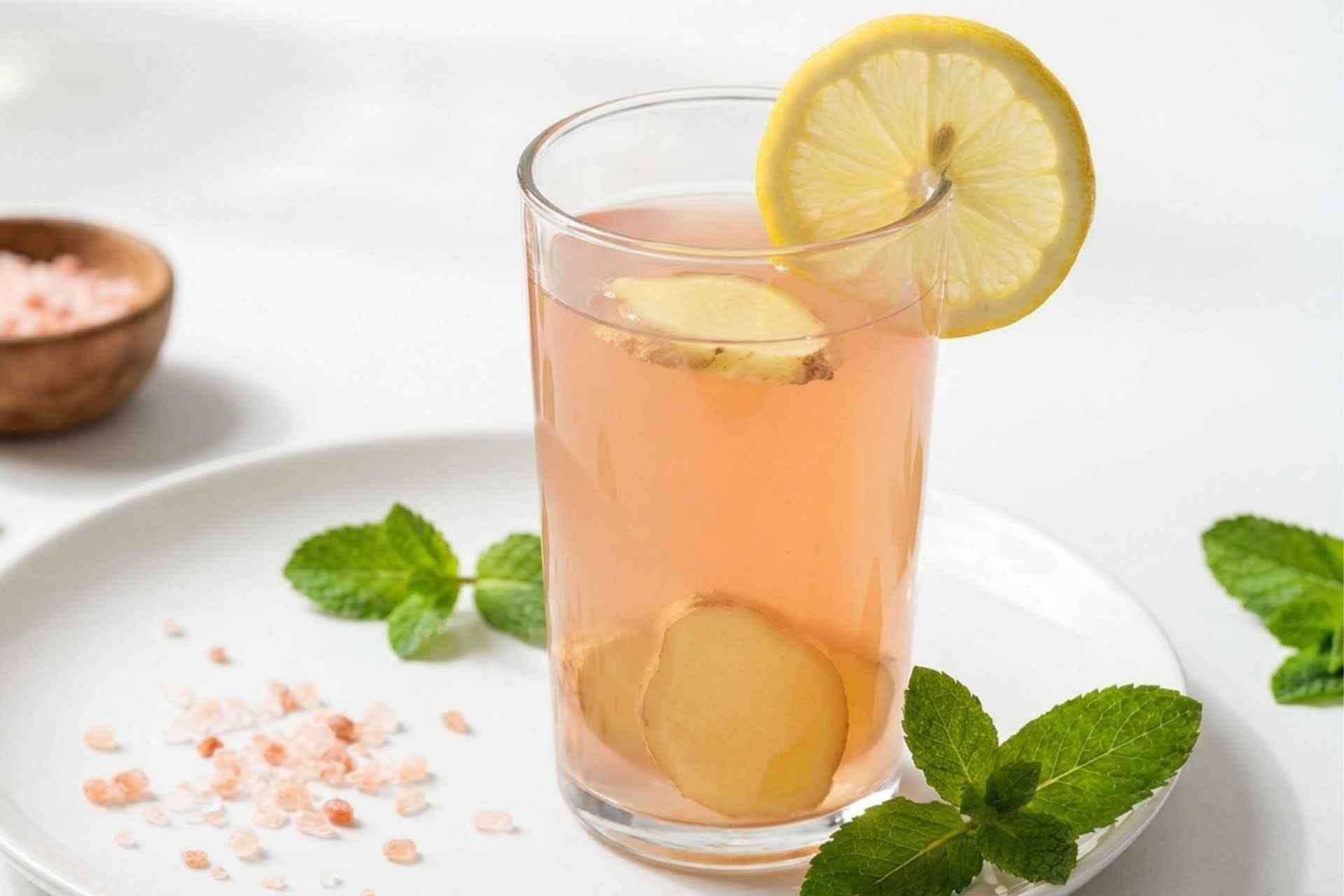

Japanese Pink Salt Recipe
Ingredients
Equipment
Method
- Step 1 — Warm the Water
- Heat 8–10 oz of filtered water in your kettle or saucepan until it reaches 100–110°F. The water should feel comfortably warm on your wrist — not hot. This temperature ensures the Himalayan pink salt dissolves cleanly and preserves the active enzymes in fresh lemon juice.
- Step 2 — Pour Into Your Mug
- Transfer the warmed water into your ceramic mug or glass. A ceramic vessel retains heat better than glass, which helps you sip this Japanese pink salt recipe slowly without it going cold mid-drink.
- Step 3 — Dissolve the Pink Salt
- Add exactly ¼ teaspoon of Himalayan pink salt to the warm water. Stir steadily with your long-handled spoon in a circular motion for 15–20 seconds until every grain is fully dissolved. Undissolved crystals create uneven sodium distribution per sip.
- Step 4 — Add Fresh Lemon Juice
- Squeeze half a fresh lemon directly into the mug using your citrus juicer. Fresh lemon delivers Vitamin C, citric acid, and digestive enzymes that bottled lemon juice simply cannot replicate. Remove any seeds that fall in.
- Step 5 — Add Your Optional Boosters
- If using apple cider vinegar, add 1 teaspoon now and stir once. For ginger, drop in 2–3 thin slices and steep 60 seconds. If using matcha, pre-whisk ½ teaspoon in a tablespoon of warm water separately, then pour into the mug to prevent clumping. Add honey last to preserve its raw enzymes.
- Step 6 — Taste and Adjust
- Take one small sip. If the Japanese pink salt recipe tastes too salty, add a splash more warm water. Too sharp from lemon? Add ½ teaspoon raw honey. Your palate will adjust after 3–4 days of consistent use.
- Step 7 — Sip Slowly on an Empty Stomach
- Drink the entire glass over 5–10 minutes — never chug it. Slow sipping allows your digestive system to gradually activate, your intestinal walls to absorb electrolytes efficiently, and your metabolism to begin its morning warm-up before food arrives.
- Step 8 — Wait Before Eating
- After finishing your Japanese pink salt drink, wait 20–30 minutes before eating breakfast. This window allows gastric acid and bile production to fully prime your digestive system for optimal nutrient absorption from your first meal.
Notes
Fresh lemon is non-negotiable — bottled lemon juice contains sodium benzoate preservative that reduces the drink’s benefit.
Never exceed ½ tsp salt — more pink salt does not mean more benefit and may overload your daily sodium budget.
Intermittent fasting users: skip the honey — it technically breaks a fast. The base recipe (salt + lemon + water) is fast-safe for most protocols.
First-timers: start with ⅛ tsp pink salt for your first three days to let your body adjust, then increase to ¼ tsp.
Storage: base recipe can be refrigerated for up to 24 hours in an airtight glass jar. Always re-warm before drinking — cold delivery reduces digestive activation benefit.
Sodium-sensitive individuals: consult your healthcare provider before starting this Japanese pink salt recipe as a daily morning habit.
This recipe pairs beautifully with a 16:8 intermittent fasting routine as your fasting-window morning mineral drink.
Variations
Citrus Boost: Replace lemon with fresh lime juice for a different Vitamin C profile and sharper flavor.Iced Summer Version: Prepare the base recipe warm to dissolve the salt, then pour over ice for a refreshing cold mineral drink.
Ginger-ACV Combo: Combine both ginger slices and 1 tsp apple cider vinegar for maximum metabolic and gut-health support.
Matcha Morning Energy: Add pre-whisked matcha for a calm, focused energy boost without coffee’s cortisol spike.
Turmeric Anti-Inflammatory: Add a pinch of turmeric powder and black pepper for added anti-inflammatory benefit alongside your electrolyte support.
Who Should Avoid This Recipe
People with hypertension or heart diseaseThose on sodium-restricted diets prescribed by a physician
Individuals with kidney disease or adrenal insufficiency
Pregnant women — consult your doctor first
Nutrition
(Per serving — base recipe: pink salt + lemon + warm water, no optional add-ins) Calories: 6 kcalCarbohydrates: 1.5g
Protein: 0.1g
Fat: 0g
Saturated Fat: 0g
Sodium: 560mg
Potassium: 18mg
Magnesium: 1.5mg
Calcium: 2mg
Vitamin C: 18mg (20% Daily Value)
Iron: 0.1mg
Sugar: 0.5g
Fiber: 0g
Cholesterol: 0mg Nutrition values are estimates. Optional add-ins will alter values: raw honey adds ~10 kcal and 2.5g sugar per ½ tsp; ACV adds ~1 kcal per tsp.
FAQs
What is the Japanese weight loss trick?
The Japanese weight loss trick refers to a morning ritual of drinking warm water with a small pinch of Himalayan pink salt and fresh lemon juice on an empty stomach. The practice draws from Japanese wellness culture, where simple, mineral-based morning routines are valued for supporting hydration, digestion, and metabolic balance. It is not a medically proven fat-loss method, but when used consistently alongside a balanced diet, it supports the conditions that make healthy weight loss easier.
What are the three ingredients in the pink salt trick?
The three core ingredients in the classic pink salt trick are warm filtered water, ¼ teaspoon of Himalayan pink salt, and fresh lemon juice. These three elements work together to rehydrate cells, replenish electrolytes, stimulate digestion, and deliver Vitamin C first thing in the morning. Everything else — honey, ACV, matcha, ginger — is an optional enhancement built on this three-ingredient foundation.
What is the four-ingredient Japanese weight loss drink?
The four-ingredient version of this Japanese pink salt recipe adds apple cider vinegar to the three-ingredient base. The ACV introduces acetic acid, which supports appetite regulation, slows sugar absorption, and adds a mild probiotic benefit through the “mother” culture. The four-ingredient version is slightly more powerful for metabolic support and is recommended for people who have already used the base recipe for at least one week and want to intensify the effect.
What are the three ingredients in this Japanese weight loss recipe?
The three essential ingredients are: 1) warm filtered water as the base, 2) Himalayan pink salt for its 84+ trace minerals and electrolyte content, and 3) fresh lemon juice for Vitamin C, citric acid, and digestive stimulation. This trio forms the scientifically and traditionally supported core of the Japanese pink salt recipe — everything else is customization.
More Detox & Weight Loss Recipes You’ll Love
If this Japanese pink salt recipe resonated with you, your wellness journey doesn’t stop here. Explore these related drinks and morning rituals that complement this protocol beautifully:
- Natural Mounjaro Recipe — a four-ingredient metabolic support drink gaining traction in wellness communities
- Cortisol Tea Recipe for Weight Loss — designed to lower morning stress hormones that sabotage fat loss
- Apple Peel Tea Recipe for Weight Loss — a zero-waste morning drink rich in ursolic acid and quercetin
- Pink Salt Weight Loss Recipe for Women — a targeted variation addressing hormonal bloating and water retention
- Warm Lemon Ginger Water Recipe — a gentler daily detox ritual for sensitive stomachs
Each of these drinks builds on the same foundational philosophy as this Japanese pink salt recipe: simple ingredients, morning timing, and consistent daily use create cumulative results that no crash diet ever will.
Tuaseen is the creator of Recipe Favor, sharing easy, delicious, and homemade recipes for everyday cooking. Passionate about simple meals and flavorful dishes, Tuaseen focuses on creating step-by-step recipes that help beginners and food lovers cook with confidence, enjoy new flavors, and make every meal special at home.




The best way to improve your health good. It’s an amazing recipe for maintaining good health.
Thank you so much. I appreciate it