To make a traditional okra water recipe, slice four to five washed fresh okra pods lengthwise, submerge them in two cups of filtered water, and soak sliced okra pods overnight in the refrigerator for 8 to 12 hours before straining. When I first tested this overnight infusion in my kitchen, I was skeptical of the viscous texture, yet my morning digestive transit and afternoon energy felt noticeably steadier.
If you struggle with unpredictable postprandial glucose spikes or stubborn bloating, sorting through viral wellness hype regarding Abelmoschus esculentus can feel exhausting. By understanding how plant mucilage and soluble dietary fiber actually interact with your gastrointestinal tract, you get a realistic, science-backed solution for glycemic control and electrolyte hydration without falling for exaggerated miracle claims.
How to Make Okra Water (Easy Overnight Recipe)
Preparing a clean okra water recipe at home requires minimal kitchen equipment and less than five minutes of active prep time. When you soak sliced okra pods overnight, the seed walls gradually release soluble dietary fiber and hydrating polysaccharides into the cold filtered water.


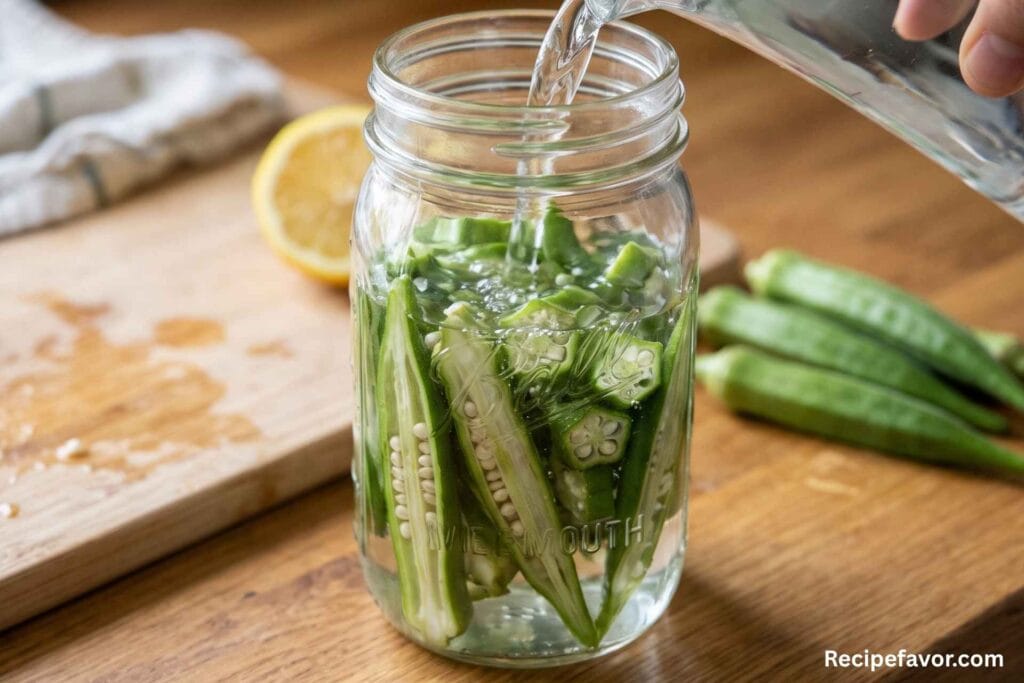
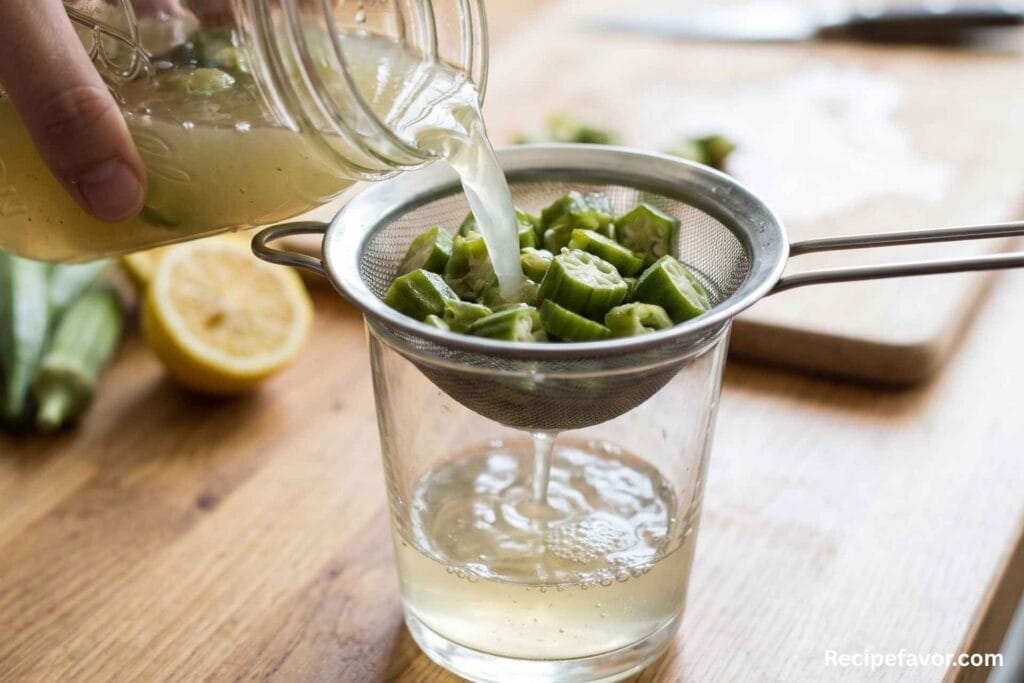
Okra Water Recipe images
Selecting firm, bright green fresh okra pods free of brown blemishes ensures your overnight infusion stays crisp rather than overly slimy. Using a chilled glass mason jar keeps the plant mucilage fresh while protecting delicate antioxidant compounds and water-soluble micronutrients from oxidation.
Overnight Okra Water Recipe
This foundational okra water recipe balances maximum plant mucilage extraction with a clean, palatable mouthfeel suitable for daily morning routines. Because Abelmoschus esculentus pods vary in size, sticking to a consistent pod-to-water ratio prevents an overwhelmingly thick, viscous texture in your glass.
Below, you will find both a quick-reference summary and a detailed breakdown to help you master this overnight infusion. Follow the cold-steeping method closely so your beverage delivers steady electrolyte hydration and gentle soluble dietary fiber every single morning.
Ingredients
Gather 4 to 5 medium fresh okra pods (Abelmoschus esculentus) and 2 cups (16 ounces) of cold filtered water. For those sensitive to the mild earthy and grassy flavor, keep half a fresh lemon or a pinch of sea salt nearby to enhance electrolyte hydration and palatability.
Instructions
Wash the fresh okra pods thoroughly, trim the stem ends, and slice each pod lengthwise to expose the interior seeds and plant mucilage. Submerge the pieces in filtered water, refrigerate in an airtight mason jar for 8 to 12 hours, and strain through a fine-mesh sieve before drinking.
Notes
Always use cold or room-temperature filtered water before chilling, as boiling water breaks down heat-sensitive antioxidant compounds like Vitamin C and creates an unpleasant, gluey viscous texture. Squeeze the soaked pods gently with a spoon during straining to extract extra soluble dietary fiber and polyphenols and flavonoids.
Did you make this recipe?
If you tested this overnight infusion for your morning routine, track how your gastrointestinal tract and satiety signals respond over seven days. Many readers customize their glass with citrus or ginger to mask the mild earthy and grassy flavor while supporting daily glycemic control.
Ingredients
For a single concentrated serving, select 4 to 5 crisp, bright green fresh okra pods measuring roughly three to four inches long, paired with 16 ounces of purified or filtered water. Avoid overgrown, woody pods, which yield less soluble dietary fiber and fewer antioxidant compounds when steeped.
Step-by-Step Instructions
Rinse your fresh okra pods under cool running water to remove surface debris, then split each pod vertically with a clean paring knife. Place the halves into a glass jar, pour in the filtered water, soak sliced okra pods overnight in the fridge, and strain through a fine-mesh sieve.
Quick Okra Water vs. Overnight Okra Water
When you need a fast okra water recipe, a 30-minute quick soak using thinly coined pods releases surface plant mucilage rapidly. However, a full 8-to-12-hour overnight infusion allows deeper extraction of soluble dietary fiber, polyphenols and flavonoids, and potassium into the filtered water.
Choosing between a rapid steep and waiting until morning depends on your schedule and tolerance for a viscous texture. While both methods provide a hydrating low-calorie morning beverage, the extended cold soak delivers noticeably stronger support for postprandial glucose and satiety signals.
| Feature | Quick Okra Water (30–60 Mins) | Overnight Okra Water (8–12 Hours) |
| Cut Style | Thin horizontal cross-sections (coins) | Halved lengthwise or thick slices |
| Mucilage & Fiber Extraction | Light; minimal viscous texture | High; rich plant mucilage release |
| Flavor Profile | Very subtle, almost like plain water | Distinct mild earthy and grassy flavor |
| Best Use Case | First-time drinkers sensitive to texture | Maximum glycemic control & gut soothing |
What Does Okra Water Taste Like?
Chilled okra water features a mild earthy and grassy flavor reminiscent of unsweetened green tea or cucumber-infused filtered water. The most noticeable characteristic is not the taste itself, but how the gel-like mucilage dissolves in water to create a smooth, slightly viscous texture on the palate.
What Nutrients Are Actually in Okra Water?
Understanding the nutritional profile of your okra water recipe requires separating whole-pod nutrition from what actually leaches into filtered water. While raw Abelmoschus esculentus is rich in insoluble fiber and Vitamin K1, an overnight infusion primarily captures water-soluble vitamins, plant mucilage, and antioxidant compounds.
Because you discard the fibrous husks when you strain through a fine-mesh sieve, you consume a fraction of the total calories and carbohydrates. Still, the liquid retains valuable soluble dietary fiber, folate, magnesium, and polyphenols and flavonoids that promote electrolyte hydration and cellular health.
| Nutrient / Compound | Whole Raw Okra (100g / ~8 Pods) | Strained Okra Water (16 oz Infusion) |
| Calories | 33 kcal | < 5–10 kcal |
| Soluble Mucilage Fiber | 100% retained | High extraction (water-soluble fraction) |
| Insoluble Fiber (Cellulose) | ~3.2 g | Trace (removed during straining) |
| Vitamin C & Folate (B9) | 23 mg / 60 mcg | Moderate transfer (water-soluble) |
| Magnesium & Potassium | 57 mg / 299 mg | Moderate transfer (electrolyte hydration) |
| Vitamin K1 (Fat-Soluble) | 31.3 mcg | Minimal transfer (remains in pod tissue) |
Okra Water Benefits: What Does the Research Really Show?
Evaluating the clinical science behind an okra water recipe helps separate viral social media exaggeration from genuine physiological advantages. Laboratory and human studies on Abelmoschus esculentus highlight how its polysaccharides and antioxidant compounds support glycemic control, gut microbiome diversity, and gastrointestinal tract comfort.
While drinking this overnight infusion is not a replacement for medical treatment, its high concentration of plant mucilage offers measurable metabolic support. Let us examine how these bioactive compounds slow down carbohydrate absorption and nourish your body when consumed consistently.
1. Okra Water and Blood Sugar
Research shows that plant mucilage and polyphenols and flavonoids like quercetin help manage blood glucose levels naturally by inhibiting carbohydrate-digesting enzymes. When gel-like mucilage dissolves in water, this soluble dietary fiber creates a viscous barrier in the intestine that slows down carbohydrate absorption and blunts postprandial glucose spikes.
2. Okra Water for Digestion and Gut Health
The soothing polysaccharides in Abelmoschus esculentus coat the gastrointestinal tract lining and support healthy digestive transit for people experiencing occasional constipation. Furthermore, this soluble dietary fiber acts as a gentle prebiotic that feeds beneficial bacteria in the gut microbiome, reducing localized inflammation and improving stool consistency.
3. Does Okra Water Help You Feel Full?
Drinking a glass of infused water before breakfast triggers early mechanical stretching in the stomach and enhances natural satiety signals. Because the viscous texture of plant mucilage delays gastric emptying, combining electrolyte hydration with soluble dietary fiber keeps hunger hormones quieter between morning and afternoon meals.
4. Okra Water for Weight Loss
While okra water does not directly burn body fat, using it as a hydrating low-calorie morning beverage can support a sustainable calorie deficit. By stabilizing insulin sensitivity, curbing postprandial glucose crashes, and reinforcing satiety signals, it helps you avoid mid-morning sugar cravings and unnecessary snacking.
Okra Water for Women: What Happens When a Woman Drinks It?
Search interest in a daily okra water recipe among women has surged due to viral claims regarding reproductive wellness, skin glow, and digestion. Nutritionally, the water-soluble folate, Vitamin C, and antioxidant compounds extracted from fresh okra pods genuinely support cellular repair, collagen synthesis, and electrolyte hydration.
However, many trending videos conflate the visual appearance of plant mucilage with direct hormonal or gynecological transformations. Examining how your gastrointestinal tract and circulatory system process this overnight infusion clarifies what actually happens inside a woman’s body.
Does Okra Water Increase Vaginal Lubrication?
Despite viral claims, the slippery plant mucilage in okra is broken down in your gastrointestinal tract and does not travel directly to reproductive tissues. Any perceived improvement occurs because natural lubrication comes from systemic hydration, meaning drinking more filtered water with electrolyte hydration supports healthy mucous membranes body-wide.
Can Okra Water Improve Fertility or Balance Hormones?
No clinical evidence shows that okra water directly alters estrogen or progesterone, though its soluble dietary fiber and antioxidant compounds support metabolic health. Improving insulin sensitivity and glycemic control alongside extra folate intake can indirectly benefit ovulatory function, especially for women managing insulin-resistant conditions like PCOS.
Okra Water for Men: Are There Any Special Benefits?
Men searching for an okra water recipe often wonder whether the beverage boosts testosterone, stamina, or cardiovascular performance. While fresh okra pods contain magnesium, potassium, and polyphenols and flavonoids that support vascular blood flow and electrolyte hydration, the infusion is not a direct testosterone booster.
Furthermore, rodent studies noting that high-dose Abelmoschus esculentus seed extracts may reduce sperm counts do not translate to drinking a standard culinarily strained overnight infusion. For most men, the primary payoff remains improved glycemic control, smoother digestive transit, and steady morning hydration.
Okra Water Side Effects and Safety Precautions
Before adopting a daily okra water recipe, it is essential to consider potential gastrointestinal and pharmacological contraindications. Although fresh okra pods are a safe staple vegetable for most adults, concentrating plant mucilage, fructans and FODMAPs, and calcium oxalates in liquid form can trigger unwanted reactions in sensitive individuals.
Listening to your body and consulting a healthcare provider ensures this overnight infusion complements your health goals safely. Pay special attention to how your gastrointestinal tract, kidneys, and metabolic medications respond when introducing extra soluble dietary fiber.
Digestive Discomfort
Okra is naturally high in fructans that trigger bloating, gas, cramping, and loose stools in people with Irritable Bowel Syndrome (IBS) or sensitive guts. Rapidly increasing your intake of fructans and FODMAPs alongside soluble dietary fiber can overwhelm fermentation pathways in your gut microbiome if you start with large servings.
Blood Sugar Medications and Possible Interactions
Because plant mucilage slows gastric emptying and alters postprandial glucose, drinking concentrated infusions can interfere with prescription diabetes medications like metformin or insulin. Combining soluble dietary fiber directly with oral drugs may reduce medication absorption or increase hypoglycemia risk, so space doses at least two hours apart.
Kidney Stones and Oxalates
Abelmoschus esculentus contains notable amounts of oxalic acid, which can leach into your overnight infusion and bind with minerals to form calcium oxalates. If you have a history of calcium oxalate kidney stones, drinking concentrated okra extracts daily may elevate urinary oxalate levels despite the extra electrolyte hydration.
Is Okra Water Safe During Pregnancy?
Food-grade okra water made from thoroughly washed fresh okra pods and clean filtered water is generally safe during pregnancy and offers gentle folate and electrolyte hydration. However, pregnant women must never avoid leaving cut vegetables at room temperature—always refrigerate the soak to prevent dangerous foodborne bacteria like Listeria.
Allergies and Other Medical Concerns
Although rare, individuals allergic to Abelmoschus esculentus, hibiscus, or other plants in the mallow family (Malvaceae) may experience itching, hives, or oral tingling from plant mucilage. Additionally, while Vitamin K1 is mostly fat-soluble, patients on blood thinners like warfarin should keep their intake of green vegetable infusions consistent.
How Much Okra Water Should You Drink, and When?
To get the most out of your okra water recipe, start with 4 ounces (half a cup) per day for the first three days so your gut microbiome adapts to the soluble dietary fiber. Once your gastrointestinal tract tolerates the fructans and FODMAPs comfortably, increase to a standard 8-ounce glass daily.
Drinking this hydrating low-calorie morning beverage on an empty stomach roughly 20 to 30 minutes before breakfast optimizes glycemic control and satiety signals. As the gel-like mucilage dissolves in water and coats your stomach early, it slows down carbohydrate absorption from your first meal.
How to Store Okra Water Safely
Proper food safety is critical when preparing an okra water recipe because raw cut produce submerged in water creates a moist, low-acid environment where foodborne bacteria can multiply rapidly. Always refrigerate in an airtight mason jar at or below 40°F (4°C) during the entire 8-to-12-hour overnight infusion.
Once you strain through a fine-mesh sieve, keep the liquid chilled and consume it within 24 to 48 hours for peak antioxidant compounds and freshness. If the viscous texture develops a sour odor, cloudy bubbles, or off-color tint, discard the batch immediately.
Common Okra Water Recipe Mistakes
Even a simple two-ingredient okra water recipe can go wrong if you follow careless social media shortcuts. From improper temperature control that breeds foodborne bacteria to extreme steeping ratios that upset your gastrointestinal tract, small preparation errors can ruin both the flavor and safety of your drink.
Avoiding these five frequent pitfalls guarantees your overnight infusion remains clean, refreshing, and effective for electrolyte hydration and glycemic control. Review these habits before you slice your next batch of fresh okra pods.
Leaving Cut Okra on the Counter Overnight
Many viral videos tell viewers to soak sliced okra pods overnight on the kitchen counter, which violates basic food safety and encourages foodborne bacteria growth. Always avoid leaving cut vegetables at room temperature in standing filtered water; steep your infusion strictly inside the refrigerator.
Using Damaged or Unwashed Pods
Failing to wash fresh pods before slicing transfers dirt, agricultural residues, and surface microbes directly into your overnight infusion as the knife passes through the skin. Always scrub bright, unblemished fresh okra pods under cool running water and trim away any dark or slimy stem tips.
Assuming Thicker Water Means More Benefits
Cramming ten pods into a single cup of filtered water creates an almost undrinkable, hyper-viscous texture without multiplying your insulin sensitivity or glycemic control. Excess plant mucilage and concentrated fructans and FODMAPs simply increase the likelihood of stomach cramps while making the beverage unpleasant to swallow.
Making a Large Batch for the Entire Week
Unlike dry tea leaves, fresh plant mucilage and water-soluble antioxidant compounds degrade quickly and ferment after 48 hours, even when you refrigerate in an airtight mason jar. Prepare only a one-to-two-day supply at a time so your soluble dietary fiber stays fresh and microbially safe.
Adding Multiple Viral Health Ingredients
Dumping apple cider vinegar, cayenne pepper, chia seeds, and raw garlic into your glass overwhelms the mild earthy and grassy flavor and irritates the gastrointestinal tract. Keep your foundational infusion simple—use only a squeeze of citrus or ginger so your satiety signals and digestion stay calm.
Frequently Asked Questions About Okra Water
Can I boil okra instead of soaking it overnight?
Yes, you can simmer sliced fresh okra pods in filtered water for 5 to 10 minutes and let it cool, which guarantees microbial safety. However, boiling degrades heat-sensitive antioxidant compounds like Vitamin C and releases much thicker plant mucilage, creating a heavier, gluey viscous texture compared to a cold overnight infusion.
Can I eat the okra pods after straining the water?
Absolutely! Eating the soaked Abelmoschus esculentus pods after you strain through a fine-mesh sieve gives you the insoluble fiber, protein, and fat-soluble Vitamin K1 that do not leach into the liquid. Toss the leftover pieces into smoothies, soups, or stir-fries to maximize satiety signals and zero-waste nutrition.
Can I use frozen okra to make okra water?
Yes, frozen whole or sliced okra works well when fresh produce is out of season. Because freezing ruptures plant cell walls, gel-like mucilage dissolves in water slightly faster, yielding plenty of soluble dietary fiber and polyphenols and flavonoids when steeped in the refrigerator overnight.
How long does it take to see results from drinking okra water?
Hydration benefits and gentler digestive transit often appear within 2 to 4 days of consistent morning use. Measurable support for postprandial glucose stability and satiety signals typically requires pairing the drink with a balanced diet over 2 to 4 weeks.
Is Okra Water Worth Trying?
Ultimately, testing this okra water recipe is a smart, budget-friendly way to upgrade your morning electrolyte hydration while giving your gut microbiome a gentle dose of soluble dietary fiber. While it is no magic cure-all for weight loss or hormonal conditions, the science behind plant mucilage and postprandial glucose makes it a worthwhile ritual.
If you enjoy a hydrating low-calorie morning beverage and do not mind a slightly viscous texture, grab a handful of fresh okra pods and refrigerate in an airtight mason jar tonight. Pair your overnight infusion with whole foods, monitor your gastrointestinal tract comfort, and enjoy a grounded, evidence-based wellness habit.
Other useful recipes:
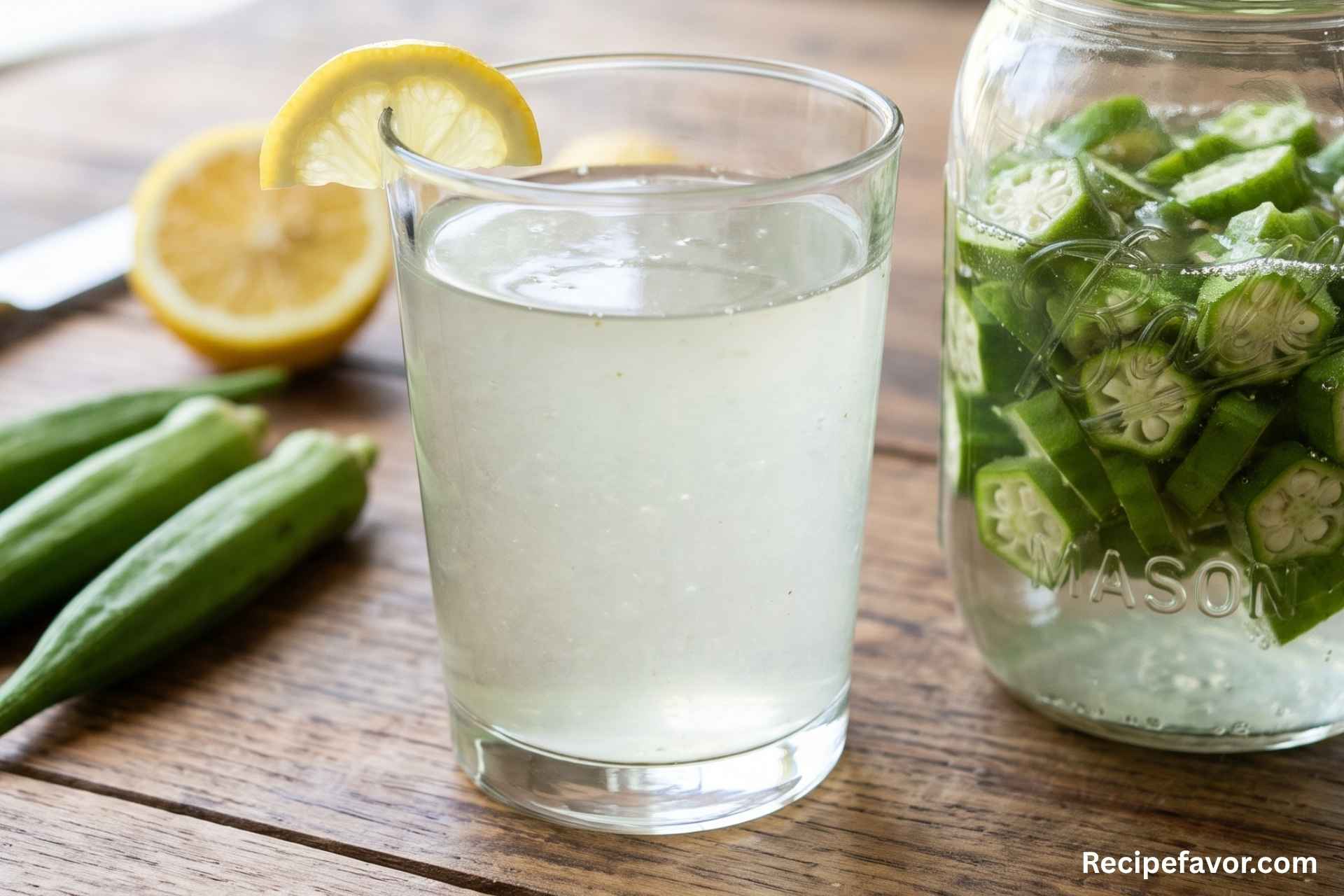

Easy Overnight Okra Water Recipe
Ingredients
Equipment
Method
- Step 1: Wash and Inspect the Pods
- Rinse the fresh okra pods thoroughly under cool running tap water, rubbing gently with your fingers to remove any surface dirt, agricultural residue, or fine fuzz. Pat them completely dry with a clean kitchen towel.
- Step 2: Trim and Slice Lengthwise
- Place the dried pods on a cutting board. Slice off and discard the tough top stem crowns and the very tips. Cut each pod vertically in half lengthwise (from top to tip) to expose the interior seeds and water-soluble plant mucilage. (Tip: Slicing lengthwise rather than into thin round coins releases plenty of soluble dietary fiber while preventing an overly thick, gluey viscous texture).
- Step 3: Combine in a Glass Jar
- Place the halved okra pods vertically or flat inside a clean 16-ounce glass mason jar. Pour 2 cups of cold or room-temperature filtered water over the pods until they are completely submerged.
- Step 4: Refrigerate Overnight
- Seal the mason jar tightly with a lid and place it inside the refrigerator (at or below 40°F / 4°C). Allow the overnight infusion to steep for 8 to 12 hours so the gel-like mucilage dissolves in water safely without the risk of foodborne bacteria.
- Step 5: Strain and Extract
- In the morning, place a fine-mesh sieve over a large drinking glass or pitcher. Pour the chilled okra mixture through the strainer. Use the back of a spoon to gently press the soaked pods against the mesh to extract the remaining nutrient-rich plant mucilage and polyphenols and flavonoids.
- Step 6: Flavor and Serve
- Stir the strained liquid well. If desired, add a squeeze of fresh lemon juice and a tiny pinch of sea salt to brighten the mild earthy and grassy flavor. Drink 1 cup (8 ounces) chilled or at cool room temperature 20 to 30 minutes before breakfast to support satiety signals and steady postprandial glucose.
Notes
Nutrition Facts (Per 1 Cup / 8 oz Strained Serving)
Serving Size: 1 cup (240 ml) Calories: 8 kcal Total Carbohydrates: 1.8 g Dietary Fiber: 0.9 g (primarily water-soluble mucilage) Total Sugars: 0.4 g Protein: 0.4 g Total Fat: 0.1 g Saturated Fat: 0 g Cholesterol: 0 mg Sodium: 4 mg Potassium: 85 mg Calcium: 18 mg Iron: 0.2 mg Magnesium: 14 mg Vitamin C: 6 mg Folate (Vitamin B9): 15 mcg Vitamin K: 2 mcgTuaseen is the creator of Recipe Favor, sharing easy, delicious, and homemade recipes for everyday cooking. Passionate about simple meals and flavorful dishes, Tuaseen focuses on creating step-by-step recipes that help beginners and food lovers cook with confidence, enjoy new flavors, and make every meal special at home.



1 thought on “Okra Water Recipe: How to Make It, Benefits & Side Effects”